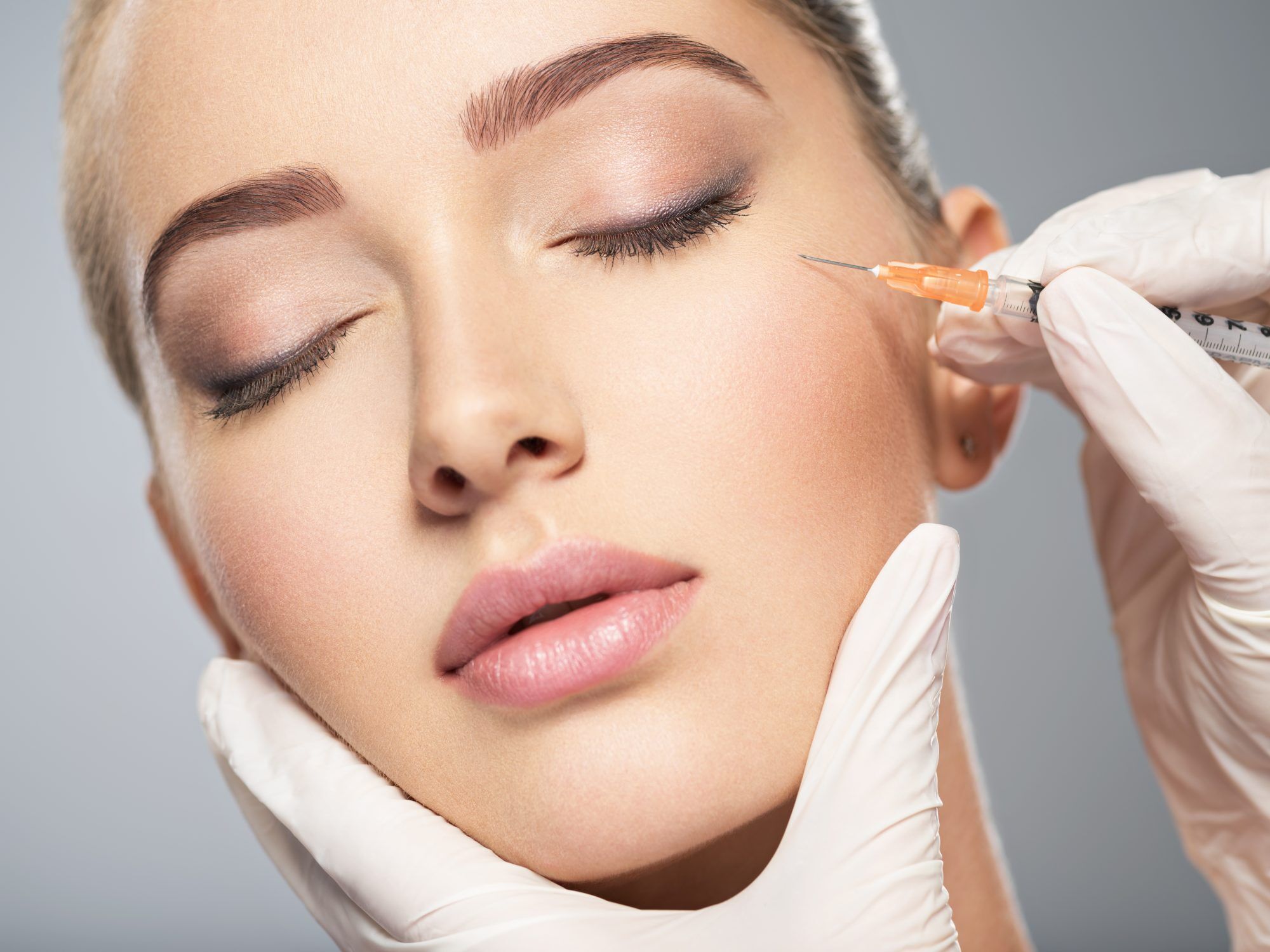
Face Swap Technology Empowers Beauty and Plastic Surgery: Making Beauty No Longer a Dream
When scrolling through social media and seeing celebrities with perfect side profiles, have you ever fantasized about having the same jawline? When consulting at aesthetic clinics, facing professional terms like "zygomatic reduction" and "mandibular angle osteotomy" from doctors, have you hesitated because you couldn't predict the post-operative results? Today, with the rapid development of AI face swap technology, these concerns are being resolved one by one. This black technology that once only existed in movie special effects and entertainment gossip is penetrating the medical aesthetics field at an astonishing speed, bringing unprecedented changes to beauty seekers.
From Entertainment to Medicine: The Cross-border Journey of AI Face Swap
The birth of AI face swap technology can be traced back to 2017, when NVIDIA's FaceForensics project first showed the public the potential of this technology. Initially, this technology was mainly applied in fields such as film production, game development, and social media entertainment. However, with the continuous optimization of algorithms and the improvement of hardware performance, AI face swap technology began to demonstrate enormous application value in the medical aesthetics field.
Compared with traditional aesthetic effect prediction methods, AI face swap technology has incomparable advantages. Traditional methods mainly rely on doctors' experience and 2D simulation software, often only providing vague post-operative effect previews, making it difficult for beauty seekers to establish clear psychological expectations. AI face swap technology, on the other hand, can accurately match beauty seekers' facial features with target facial features through deep learning algorithms, generating highly realistic post-operative effect previews. This visual communication method not only helps beauty seekers better understand surgical plans but also effectively reduces communication costs and information asymmetry between doctors and patients.
Three Major Application Scenarios: How AI Face Swap Reshapes Aesthetic Experience
In traditional aesthetic procedures, beauty seekers often need to predict post-operative effects based on doctors' descriptions and their own imagination, which has great uncertainty. The emergence of AI face swap technology has completely changed this situation. By uploading beauty seekers' facial photos and target facial features, AI face swap systems can generate post-operative effect preview images in seconds. Beauty seekers can intuitively see what they will look like after undergoing a certain procedure, thus making more rational decisions.
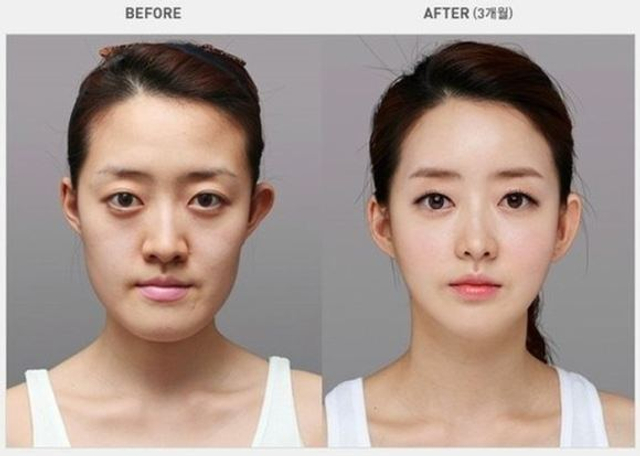
For example, a beauty seeker who wants to undergo double eyelid surgery can fuse their single eyelid photo with a celebrity's double eyelid photo through an AI face swap system to generate simulated post-operative effect images. This visual preview method not only helps beauty seekers better understand the surgical effects but also allows doctors to more accurately grasp beauty seekers' aesthetic needs, thus developing more personalized surgical plans.
2. Personalized Plan Customization: Precise Matching of Aesthetic Needs
Everyone's facial features and aesthetic preferences are unique, and traditional aesthetic plans often struggle to meet beauty seekers' personalized needs. AI face swap technology, however, can provide more precise personalized plan customization services for beauty seekers through big data analysis and machine learning algorithms.
AI face swap systems can analyze factors such as beauty seekers' facial features, skin tone, and hairstyle, combined with their aesthetic preferences and fashion trends, to recommend the most suitable aesthetic plans. For example, for a beauty seeker who wants to undergo rhinoplasty, the AI face swap system can recommend the most suitable nose shape and implant materials based on their facial proportions and facial features, thus achieving more natural and harmonious post-operative effects.
3. Post-operative Effect Assessment: Scientific Verification of Surgical Results
Post-operative effect assessment is a very important part of the aesthetic process. It not only helps doctors understand surgical effects but also provides psychological comfort to beauty seekers. Traditional post-operative effect assessment mainly relies on doctors' subjective judgment and beauty seekers' self-perception, lacking objective assessment standards. AI face swap technology, however, can provide scientific and objective basis for post-operative effect assessment by comparing pre-operative and post-operative facial features.
AI face swap systems can analyze pre-operative and post-operative facial photos, measure changes in dimensions and proportions of various facial parts, thus assessing the effectiveness of surgery. This objective assessment method not only helps doctors identify problems in surgery in time but also provides more accurate post-operative recovery guidance for beauty seekers.
Challenges and Opportunities: Future Prospects of AI Face Swap in Medical Aesthetics
Although AI face swap technology has shown enormous application potential in the medical aesthetics field, it also faces some challenges. Among them, the main challenge is the safety and ethical issues of the technology. Since AI face swap technology can generate highly realistic fake videos and images, there is a risk of being used for malicious purposes. In addition, the application of AI face swap technology may also trigger some ethical issues, such as aesthetic anxiety and body image problems caused by excessive pursuit of perfect appearance.
However, these challenges cannot stop the development pace of AI face swap technology in the medical aesthetics field. With the continuous progress of technology and the continuous improvement of regulations, AI face swap technology is expected to bring more innovation and transformation to the aesthetic industry in the future. For example, combined with virtual reality (VR) and augmented reality (AR) technologies, AI face swap systems can provide more immersive pre-operative experiences and post-operative recovery guidance for beauty seekers; combined with blockchain technology, AI face swap systems can provide security for the safe storage and sharing of aesthetic data.